ProZ.com frequently asked questionsTerminology/term help Main Main
1 - Terminology/term help 2 - KudoZ
2.1 - KudoZ: general 1.1 - Што такое KudoZ? KudoZ — гэта сетка для дапамогі ў тэрміналагічных пытаннях. Праз KudoZ карыстальнікі ProZ.com бясплатна дапамагаюць адзін аднаму і гасцям у перакладзе складаных тэрмінаў. Больш пра гэта гаворыцца ў нашых уводзінах у фармаце flash. 1.2 - Glossary of KudoZ terms
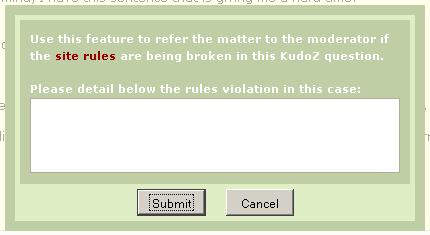
1.3 - Як працуе «дапаможны» KudoZ? «Аперацыя дапамогі» KudoZ складаецца з трох крокаў: 1.4 - Што добрага ў балах KudoZ? Некаторыя кліенты выкарыстоўваюць балы KudoZ, каб вылучаць перакладчыкаў для далейшага адбору. Логіка ў тым, што калі патрабуецца перакладчык, які разбіраецца ў медыцыне, то той, хто набраў 300 балаў па медыцынскіх пытаннях, можа быць перспектыўным кандыдатам. 1.5 - Як абнаўляюцца балы KudoZ? У некаторых месцах сайта сумы балаў KudoZ абнаўляюцца раз на дзень, а ў іншых месцах — у рэальным часе. Могуць быць часовыя несупадзенні, але раз на дзень робіцца выпраўленне, і ўсе балы перарахоўваюцца. 1.6 - Do I earn any KudoZ points by answering KudoZ questions? No. KudoZ points are only earned if one of your answer to any KudoZ question is selected by the asker or automatically by the system based on peer agreement. 1.7 - Якія правілы ўдзелу ў KudoZ? Гл. правілы KudoZ: Агульныя правілы, Правілы размяшчэння пытанняў і Правілы размяшчэння адказаў і каментарыяў для карыстальнікаў 1.8 - Can friends, family members or close associates participate in my KudoZ questions or answers? Participation in KudoZ questions, particularly using the peer comment system to "boost" an answer, or in asking and answering to gain KudoZ points, should not be carried out among the profiles of friends, family or close associates, in order to maintain a certain level of transparency in the KudoZ arena. In cases where interacting profiles are shown to be of this type, a mutual block may be applied to the profiles (this blocks the interaction between specific profiles only, not participation in KudoZ at large) to ensure fairness. 1.9 - Што рабіць, калі парушаюцца правілы KudoZ? Калі парушаныя правілы KudoZ, трэба паведаміць пра гэта мадэратару адпаведнай моўнай пары. Спіс мадэратараў знаходзіцца тут. 1.10 - Якая логіка ў катэгорыях KudoZ? Пытанні KudoZ можна размеркаваць па катэгорыях паводле спіса палёў з прыкладна 100 пазіцый. Спіс, створаны статыстычнымі метадамі з прадметных галін, якія ў выглядзе свабоднага тэксту ўводзяць карыстальнікі ProZ.com, у пэўнай ступені наўмысна няпэўны. Напрыклад, адзін член можа думаць пра «аўтамабілі», а іншы — пра «транспарт», і таму спіс мае абодва элементы. 1.11 - Што адбываецца, калі пытанне ў рамках дапамогі з перакладам не атрымлівае балаў? Калі пытанне ў рамках дапамогі з перакладам атрымала адказы, але не было закрытае на працягу трох дзён, аўтар пытання атрымлівае напамін па электроннай пошце пра неабходнасць прысудзіць балы. Калі пытанне застаецца адкрытым пасля чатырох падобных напамінаў (за 2 тыдні), робіцца спроба выбраць найлепшы адказ аўтаматычна. Робат аўтаматычнага прысуджэння балаў робіць выбар на падставе чыстай сумы згод іншых карыстальнікаў з кожным пытаннем паводле наступных правілаў: 1.12 - Are askers able to close a question without awarding points? Yes. An asker may choose to do this when s/he has asked a question in error (misspelled term, etc.), when no answer was deemed helpful, when a better term was found elsewhere (and no answer was deemed helpful), or in other cases. 1.13 - How often do askers close questions without awarding points? Less than 5% of the time. 1.14 - Дзе я магу знайсці спіс маіх папярэдніх пытанняў і адказаў? Трэба перайсці да старонкі профілю і націснуць на ўкладку KudoZ. Члены таксама могуць тут абнавіць свае балы KudoZ. 1.15 - Can I see questions in language pairs not reported in my profile? Yes. You can see KudoZ questions in all language pairs by clicking on See more languages in the KudoZ questions page. 1.16 - У якіх выпадках выдаляюцца пытанні KudoZ? Ёсць блізу дзесяці магчымых прычын для выдалення ("ізаляцыі") пытанняў KudoZ. Абмеркаванне гэтых прычын гл. у гэтым артыкуле. 1.17 - What information can I see about a KudoZ asker? If you move your mouse over the asker's picture in a KudoZ question you will see a mouse-over message similar to the one pictured below: 1.18 - Што робіць кнопка "Прагаласаваць за змену на PRO" або "Прагаласаваць за змену на не-PRO"? Калі пытанне KudoZ у рамках дапамогі з перакладамі пазначанае як PRO, удзельнікі могуць прагаласаваць, каб пытанне было пазначанае як не-PRO, і наадварот. 1.19 - When posting my question I selected by mistake the wrong level (PRO, non-PRO). What can I do? You should submit a support request to have this issue addressed by staff. 1.20 - Я мяркую, што сёння сума маіх балаў мусіла павялічыцца. Члены могуць прымусіць сістэму абнавіць балы ў рэальным часе. Трэба зайсці на старонку зводкі балаў KudoZ і націснуць «Абнавіць сумы балаў». Для зарэгістраваных карыстальнікаў розніца ў суме балаў наімаверней будзе выпраўленая на працягу 24 гадзін. 1.21 - Адна з маіх сум балаў KudoZ знікла. Чаму гэта магло адбыцца? Сумы балаў пэўнага тыпу (агульная, PRO, паводле галіны або перыяду) могуць зніжацца. Вось чаму гэта можа адбыцца: 1.22 - Ці можна змяніць змест зводкі маіх балаў KudoZ на маёй старонцы профілю? Карыстальнікі могуць хаваць пэўныя тыпы балаў KudoZ са зводкі на гэтай старонцы: http://www.proz.com/pro/?show_mode=kudoz&sub_mode=summary 1.23 - What do the "ok" and "no" under the the "Gloss" (glossary) column in my KudoZ activity section indicate?
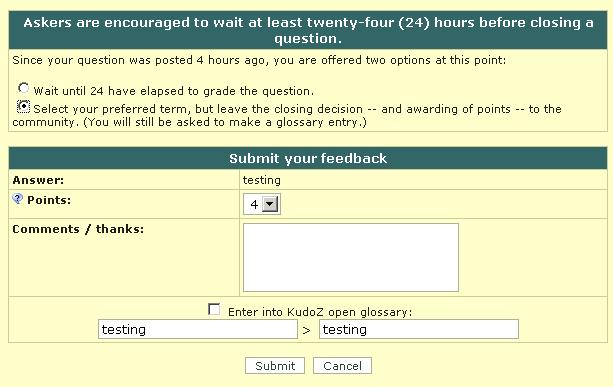
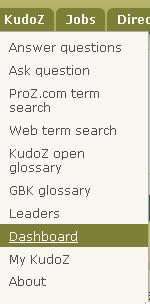
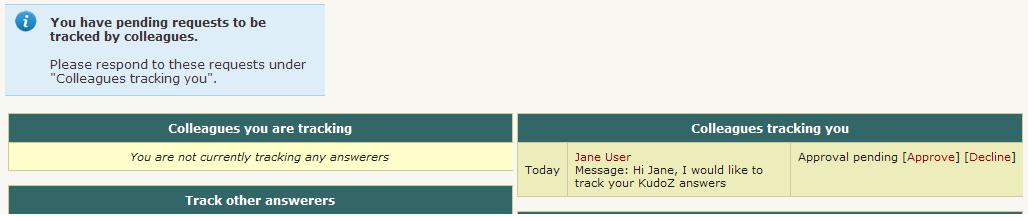
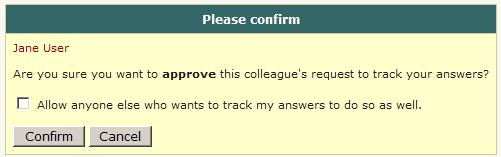
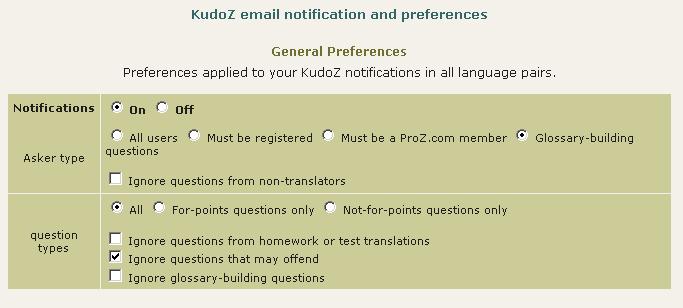
1.24 - Мне давялося стварыць новы профіль. Ці можна дадаць мае балы з папярэдняга профілю? Так, калі Вы — член, персанал зробіць гэта для Вас. Заўвага: будуць дададзеныя не толькі балы, але і ўся гісторыя KudoZ (г. зн., пытанні, каментарыі іншым карыстальнікам, заўвагі і да т. п.). Доступу да старога профілю больш не будзе. 1.25 - Як зрабіць, каб пры пошуку тэрмінаў на ProZ.com не транслітараваліся літары з дыякрытычнымі знакамі? У пэўных выпадках функцыя пошуку тэрмінаў на ProZ.com забяспечвае абмежаваную магчымасць транслітарацыі літар з дыякрытычнымі знакамі (напрыклад, пошук тэрміна "publica" можа таксама вярнуць вынікі, якія ўтрымліваюць "pública"). Каб адключыць гэтую магчымасць, трэба выбраць опцыю "шукаць дакладную фразу". 1.26 - How can I enter a discussion entry? To enter a discussion entry you should click on the "Post discussion" button. A form will show to allow you to post a title and the body of your entry. These fields are limited to 50 and 1200 characters respectively (there is a counter to tell you how many characters you have left for the main field). There is a preview option and buttons for submitting the entry and for canceling the operation. 1.27 - Прапаную зрабіць удзел у KudoZ платным. Гэта палепшыць якасць. Цяпер мы не маем планаў зрабіць карыстанне KudoZ даступным толькі для членаў або спаганяць дадатковую плату за ўдзел у KudoZ. Аднак ёсць магчымасць наладзіць прагляд і паведамленні так, каб бачыць толькі пытанні ад членаў. Акрамя таго, задаючы пытанне, можна пазначыць, што адказы прымаюцца толькі ад членаў. 1.28 - Are KudoZ questions indexed by search engines? Yes. As with the public forums, KudoZ questions are indexed by search engines. 1.29 - What do the time references next to the confidence level and in the peer section indicate? They indicate the time elapsed from the moment the question was asked until the other action "answer", "peer comment" took place. The times shown are measured in relation to moment the question was asked. 1.30 - Can the asker enter in the glossary a term different from the one suggested in the selected question? Yes. Points are (or should be) given to the most helpful answer, while the best possible term should be entered in the glossary, even if it was not suggested by the answerer who won the points. 1.31 - A user in my sub-community regularly posts bad answers and they are sometimes selected and I am concerned that the glossary will deteriorate. Many valuable colleagues are of the same opinion and several of them have abandoned KudoZ. What can be done? The system includes the "disagree" feature. If answers considered invalid receive several disagrees based on linguistic (not personal) comments, then the amount of "bad" answers is likely to be reduced. 1.32 - I was the first to provide the right answer to a KudoZ question and then other user provided the same answer adding few more explanations and received the points (instead of agreeing to my answer). Is this allowed? Askers have the right to select the answers they consider most helpful to their questions. 1.33 - How does the first validated answer mode work? Askers have the option of asking questions in "first validated answer" (FVA) mode. When the FVA option is selected, instead of multiple answers being submitted and the asker selecting the one that is most helpful, the goal is for one correct translation to be agreed upon by the answerer community. An FVA question is therefore considered closed as soon as one answer gets two net agrees (in top pairs, two net agrees must come from users who meet the criteria for the question). 1.34 - What are AI-generated KudoZ answers? AI-generated KudoZ answers are automatic answers generated by AI technology, in this case, by ChatGPT. This answers are marked as such within the answer itself. 1.35 - How are AI KudoZ answers generated? Most AI technology brings information back by means of prompts. Think of prompts like instructions you give to the AI. When you ask a question or tell it something, that's your prompt. In order to generate a KudoZ answer, we send ChatGPT three different prompts: one to get a proposed translation of the source term taking into account the information supplied by the asker (languages, fields, contect), one to obtain an explanation of the proposed translation that also includes sample sentences, and a last one to get confidence level information (i.e. to know how confident the AI feels about its proposed translation). Once this information is returned by the AI, a KudoZ answer is automatically built with it and posted together with the question (provided the asker has selected the AI-generated answer option). 1.36 - Who posts AI-generated answers? AI answers are generated and posted automatically when an askers select this option in the KudoZ question form: 1.37 - Are askers notified of AI-generated answers to their questions? No. For the time being, no email notification is sent for AI-generated answers. 1.38 - Can KudoZ participants peer grade AI-generated answers? Yes, KudoZ participants are encouraged to agree or disagree (or remain neutral) with AI-generated KudoZ answers. Peer grades will count in the case of automatic grading. Click here for details about automatic grading. 1.39 - Can KudoZ askers select AI-generated answers as the most helpful and award points to the AI? Yes, KudoZ askers can select an AI-generated answer as the most helpful one and award KudoZ points to the AI. These KudoZ points, however, will not be used to rank the AI profile in the directory. Click here to learn how KudoZ points count for directory ranking. 1.40 - Do KudoZ points “earned” by the AI count for directory ranking? No. KudoZ points awarded to the AI for KudoZ answers selected as the most helpful will not count for directory placement. 1.41 - What is the purpose of adding AI to KudoZ? The integration of AI into term help is thought as a supporting feature. If AI technology is available out there and language professionals are using it (in many different ways), why not include it in KudoZ and enable them to realize their full potential? ProZ.com provides tools and opportunities to its members. This is just another one of many. Click here to see a full list of membership benefits. 2.2 - Asking 2.1 - З чаго складаецца "дапамога ў тэрмінах" ("term help"), якая вызначаная ў правіле http://www.proz.com/siterules/kudoz_general/1.1#1.1 ? Пытанні KudoZ можна выкарыстоўваць, каб атрымаць дапамогу ў тэрмінах або ідыяматычных выразах. 2.2 - What is the meaning of "one term is allowed per question" in KudoZ rule 2.1? Unless they share a root or are otherwise related, terms should be posted separately--an asker should not ask how to say "apple" and "banana" in the same question. This means that a question such as "flotsam/jetsam/derelict" in a context of maritime law would be not valid, since the terms are independent and should posted in three separate questions. On the other hand, "the flotsam and jetsam of the inner city" would be OK, as the terms flotsam and jetsam are related in a unit of meaning. Other examples of valid KudoZ questions are: "screen / screening" (they share a root), "Many levels in this game were heavily tuned for smoothness" (terms related as a unit of meaning in a particular context). 2.3 - Ці абмяжоўваецца колькасць пытанняў, якія можна задаваць? Так. Ваш дзённы ліміт (за кожны рухомы 24-гадзінны перыяд) залежыць ад узроўню членства. Незарэгістраваныя на ProZ.com асобы могуць задаваць адно (1) пытанне за дзень. Зарэгістраваныя карыстальнікі, якія не з'яўляюцца членамі, могуць задаваць пяць (5). Члены могуць задаваць пятнаццаць (15). Ёсць таксама тыднёвыя абмежаванні ў 20 пытанняў для зарэгістраваных простых карыстальнікаў і ў 60 пытанняў для зарэгістраваных членаў. Калі Вы маеце дзесяць (10) пытанняў, якія атрымалі адказы і засталіся адкрытымі болей за тыдзень, задаваць больш пытанняў не дазваляецца. Каб працягваць задаваць пытанні, трэба прысудзіць балы і закрыць гэтыя пытанні. 2.4 - What happens if I ask questions beyond the daily or weekly limits? When you ask questions beyond the limits corresponding to your membership status, these extra questions are added to the KudoZ question queue and they will be made visible automatically when enough time has elapsed for the question to be within asking limits. 2.5 - Я звычайна адкладаю пытанні пра тэрміны пад канец праекта. Ці можна абысці ліміт? Мы мяркуем, што абмежаванне на пятнаццаць (15) пытанняў на дзень дастатковае для большасці людзей. Размеркаваўшы свае пытанні, напрыклад, на апошнія два дні праекта, можна задаць трыццаць (30) пытанняў. Калі Вам трэба болей, і Вы — член, можна папрасіць часовае выключэнне ў персаналу службы падтрымкі. 2.6 - Can I post a question in more than one language pair? It is not possible to post a single question in different language pairs. However, several questions in different language pairs may be posted for a single term. 2.7 - Можна задаць аднамоўнае пытанне KudoZ? Так, але для гэтага няма адмысловай секцыі ў раздзеле KudoZ. Каб задаць пытанне ў адной мове (напрыклад, англійская—англійская), трэба перайсці да "Задаць пытанне" на ўкладцы KudoZ. Там націснуць на "Гл. болей моў". Будуць паказаныя два спісы, у якіх можна выбраць патрэбную мову у кожным з іх. Такім чынам гэта будзе аднамоўнае пытанне 2.8 - Я не ўпэўнены, як класіфікаваць пытанне - як не-PRO або як PRO. У чым розніца? Хаця складана правесці нейкую мяжу, для гэтых двух тыпаў пытанняў прынятыя наступныя азначэнні:
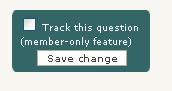
Ужываючы гэтыя азначэнні, след абстрагавацца ад уласнага досведу і спецыялізацыі і думаць пра — гіпатэтычна — выпадковую двухмоўную асобу. Ці імаверна, што падобная асоба зможа зрабіць добры пераклад тэрміна або фразы, якія складаюць пытанне (і ў канкрэтным паказаным кантэксце), проста «з галавы»? Калі не так — гэта пытанне PRO. У наступным артыкуле гэтае пытанне абмяркоўваецца больш падрабязна. 2.9 - What should I do if I don't have context to include in my KudoZ question? There is always some context to provide, such as information about the type of customer (an oil company? a plumber? a dentist? ), the type of document you are translating, the subject, etc. 2.10 - Ці можна дадаваць інфармацыю да майго пытання? Ці можна рэдагаваць яго? Рэдагаваць пытанне нельга, але можна дадаваць заўвагі. На старонцы пытання ёсць адпаведная форма. (Калі Вы не знаходзіце пытання, спасылку на яго можна знайсці ў пацвярджэнні, якое было дасланае па электроннай пошце.) 2.11 - Can KudoZ askers direct their questions to specific site users? Yes. When posting a KudoZ question, askers are given the option to restrict their KudoZ questions by 1) profile information (native language, language pair and field) and 2) membership status. If the asker selects the option "Only ProZ.com members may answer" when posting his/her question, the "Answer" button will not be visible to non-members and the following message will show to them: 2.12 - Ці можна даслаць пытанне толькі пэўным людзям, якіх я ведаю? Гэта могуць рабіць (платныя) члены ProZ.com. 2.13 - Навошта абмяжоўваць кола людзей, якім будзе даступнае пытанне? Многія з тых, хто адказвае на пытанні KudoZ, ведаюць, хто з членаў ProZ.com спецыялізуецца ў якіх галінах. Пытанні пра пэўныя тэрміны яны хочуць задаць гэтым экспертам наўпрост. Калі рабіць гэта праз KudoZ, працэс будзе болей стандартызаваны і зручны, пры гэтым прапанаваныя пераклады будуць фіксавацца з магчымасцю пошуку. 2.14 - Навошта абмяжоўваць класы членаў, якім будзе даступнае пытанне? Калі-нікалі аўтары пытанняў жадаюць атрымліваць адказы ад пэўных груп, напрыклад, носьбітаў мовы, тых, хто працуе ў прадметнай галіне, або іншых выбраных класаў членаў ProZ.com. Каб аддаваць перавагу тым ці іншым групам, прадугледжаныя адпаведныя магчымасці. 2.15 - Калі я задаю пытанне прыватна, г.зн. прызначаючы іх толькі маім камандам, ці будзе яно бачным іншым? Ці будзе яно даступнае для пошуку ў архівах? Члены могуць па жаданні захоўваць прыватны статус пытання пра тэрмін бясконца. Зарэгістраваныя карыстальнікі могуць захоўваць прыватны статус пытання пра тэрмін адзін месяц, пасля чаго яно стане публічным і будзе адшуквацца ў архівах. 2.16 - I see a "squash" button under a KudoZ question I have posted, what does that mean? If you have posted a KudoZ term help question and it has not received an answer, you will have the option to "squash" or remove the question until it receives at least one answer. This allows users to remove mistakenly-posted questions without the assistance of a moderator or KudoZ editor. 2.17 - Як падзякаваць тым, хто адказаў праз KudoZ, пры гэтым не адхіляючы іншыя адказы ці не прысуджваючы балаў? Можна націснуць на імя чалавека і напісаць яму праз старонку профілю. Пасля гэтага будзе адпраўлены ліст па электроннай пошце. 2.18 - Як прысудзіць балы па маім пытанні KudoZ? Каб прысудзіць балы за адказ на Ваша пытанне KudoZ, трэба націснуць спасылку "Выбраць гэты адказ як найкарыснейшы" у полі адказу, які быў найкарыснейшым. Калі Вы націснеце спасылку "Выбраць гэты адказ як найкарыснейшы", з'явіцца акно, праз якое можна прысудзіць балы за адказ на Ваша пытанне і ўвесці тэрмін KudoZ у свой гласарый, адкрыты гласарый KudoZ (KOG), або ў абодва. 2.19 - I did not enter the term to the KOG at the time I graded my question, but I would like to enter it now. How can I do that? Simply click on the "gloss" button below the "Summary of answers provided" chart. 2.20 - Can I grade my question less than 24 hours after posting it? KudoZ rule 2.10 recommends that askers allow at least twenty-four (24) hours to pass before closing a question. 2.21 - Я згубіў(ла) спасылку з пацвярджэннем пра пытанне KudoZ, дасланую электроннай поштай, як цяпер прысудзіць балы за пытанне KudoZ? Згубіўшы спасылку з пацвярджэннем KudoZ праз электронную пошту, можна атрымаць копію або зрабіўшы запыт праз службу падтрымкі, або зрабіўшы запыт у мадэратара, і спасылка будзе зноў дасланая на Ваш адрас электроннай пошты. Памятайце, што важна даслаць адрас пытання KudoZ пры запыце на паўторнае пацвярджэнне праз электронную пошту. 2.22 - Ці можна даваць балы болей чым за адзін адказ? Не, можна выбраць толькі адзін "найкарыснейшы" адказ. Раздзяленне балаў паміж аўтарамі адказаў абмяркоўвалася раней, але было адрынутае на той падставе, што выгада будзе адносна невялікай, але паўстануць цяжкасці з кіраваннем баламі і такія праблемы, як дзяленне чатырох балаў на тры адказы. Карысная парада: калі ёсць сумнеў, выбірайце адказ, які найлепш Вам дапамог. Калі два ці болей адказы аднолькава карысныя, можна проста выбраць першы (паміж аўтарамі адказаў усё, як правіла, стабілізуецца з цягам часу.) 2.23 - Я закрыў(ла) пытанне, не выбраўшы найлепшага адказу. Ці можна зноў адкрыць пытанне? Так, трэба націснуць кнопку "АДКРЫЦЬ ЗНОЎ". Калі сумняваецеся, трэба зрабіць запыт у службу падтрымкі. 2.24 - Як закрыць сваё пытанне KudoZ, якое не атрымала адказаў? На старонцы Вашага пытання націснуць кнопку "Прысудзіць балы". Пасля гэтага адкрыецца наступная старонка, дзе трэба націснуць кнопку "Закрыць без балаў". (Аўтар парады: Міхаіл Кропатаў) 2.25 - Як перастаць атрымліваць напаміны па электроннай пошце пра неабходнасць прысудзіць балы? Аўтары пытанняў атрымліваюць па электроннай пошце напаміны пра прысуджэнне балаў за адкрытыя пытанні KudoZ, на якія атрыманыя адпаведныя патрабаванням адказы, праз 5, 7, 9 і 11 дзён пасля таго, як пытанне было зададзенае. 2.26 - Паводле якіх крытэрыяў я мушу прысуджваць пэўную колькасць балаў (1-4) за выбраны адказ? Вырашаючы, колькі балаў прысудзіць, кіруйцеся наступнай шкалой у якасці арыенціра: 2.27 - Points were awarded to an answer to my question but I would like to select another answer instead. How can I un-grade my question? To un-grade a question you have asked in order to award the points to the answer you found most helpful, you will need to first obtain the agreement of the answerer to whom the points have been given. Both you and the answerer should express this agreement either to the assigned moderator(s), or via support request. 2.28 - I have included confidential information in a question. Can I have it removed? If you posted a KudoZ question that contains confidential information, please submit a support request, specifying the exact information you would like to have remove so that staff can remove this information for you. 2.3 - Answering 3.1 - Я не бачу пытання KudoZ. Што рабіць? Просім даслаць адрас або здымак гэтай старонкі ў службу падтрымкі proz.com! 3.2 - Шукаючы пытанні толькі ад членаў, я заўважаю нешта дзіўнае. Выбар опцыі пытанняў «толькі ад членаў» (ёсць на старонцы KudoZ пад спісам аўтараў) абмяжуе бачныя пытанні толькі аўтарамі, якія былі членамі *на момант публікацыі пытання*. Праз тое, што катэгорыя членства аўтараў пытанняў была зарэгістраваная толькі нядаўна, колькасць вынікаў будзе невялікай. Таксама тое, што ёсць розныя формы членства (поўнае, частковае), і тое, што членства некаторых удзельнікаў губляе моц, можа ствараць уражанне, што нешта адсутнічае. 3.3 - Калі пытанне закрытае і прысуджаныя балы, ці можна ўсё ж на яго адказваць? Калі балы прысуджаныя, пытанне закрываецца, але нават у такім выпадку можна даць адказ на яго. 3.4 - Я магу адрэдагаваць адказ на пытанне KudoZ? Не. Рэдагаванне адказу будзе несумленным у дачыненні да іншых, хто адказаў. Лепей дадаць каментарый да Вашага адказу. У пэўных выпадках адказчык можа схаваць няправільны адказ і замест яго падаць правільны. 3.5 - Чаму ў палях маіх адказаў паказваецца слова "Схаваць"? Калі трэба адмовіцца ад уласных адказаў, іх можна схаваць. 3.6 - Як можна зрабіць зноў бачным адказ, якія я зрабіў(ла) нябачным? Адказы, зробленыя нябачнымі, немагчыма зрабіць зноў бачнымі. Спасылкай "Схаваць адказ" варта карыстацца толькі ў выпадках, калі Вы хочаце схаваць адказ назаўжды. 3.7 - Калі я схаваю свой адказ і размяшчу новы, ці будзе гэта парушэннем правілаў сайта, датычных адказаў на пытанні? Размяшчэнне некалькіх адказаў дапушчальна, калі адбываецца эпізадычна. Але сістэматычнае размяшчэнне некалькіх адказаў з перакладамі (няважна, хаваюцца пры гэтым папярэднія адказы, ці не) з’яўляецца парушэннем правілаў адказаў на пытанні KudoZ. Гл. правілы размяшчэння адказаў на пытанні KudoZ. 3.8 - Will my hidden answers be visible in my list of answers? You will always be able to see the answers you have hidden in your list of KudoZ answers. Other users will only see your hidden answers if you have hidden 10% or more of your total answers (but no less than 20 answers). 3.9 - What is the meaning of "no more than one answer per question" in KudoZ rule 3.1? Submitting an answer to a KudoZ question and then submitting one or more additional answers to the same question is discouraged (even if the original answer was hidden) and doing this in a systematic way is forbidden by the rules. Answerers can add as many comments as they want to their answers. Offering several terms together in the same answer (ANSWER1/ANSWER2/ANSWER3) is not forbidden, but discouraged, as it interferes with the glossary format. 3.10 - Што значыць пазнака "Не за балы" да пытання? Некаторыя карыстальнікі мяркуюць, што прысуджэнне балаў KudoZ шкодзіць духу KudoZ. Такія карыстальнікі могуць задаваць пытанне "Не за балы". Адказваючы на падобныя пытанні, немагчыма зарабляць балы KudoZ. 3.11 - Калі я буду адказваць на пытанні "Не за балы", ці з'явяцца яны ў гісторыі KudoZ на маёй старонцы профілю? Так. Падобныя пытанні будуць пазначаныя колерам, які пакажа, што балы не прысуджаліся. 3.12 - Ці палепшыць адказ на пытанне Не за балы" маю пазіцыю ў спісе лідэраў KudoZ або ў базе даных перакладчыкаў ProZ.com? Не. Выгады ад адказаў на пытанні "Не за балы" не тэхнічныя, яны толькі ўскосныя (навучанне, дапамога, сумесная праца і да т.п.) 3.13 - What does Confidence level show? Confidence level is the degree of certainty expressed by an answerer regarding his or her own answer. This information is provided by an answerer in the Kudoz Answer form. Confidence level is a required field and an answerer is suggested to select one of the 5 (five) possible confidence levels: 3.14 - I don't know the answer to a KudoZ question, but I have some information that could help the asker. Where should I post this information? If you cannot think of an appropriate answer to a KudoZ question, but you have information that may help the asker or other participants to come up with a good translation, make a reference post by clicking on "Post reference" and include such relevant information. 3.15 - I do not see the "Post reference" button in a KudoZ question. Why? Once you posted a Kudoz answer, you will not be able to post a reference. It is assumed that you put all the information in your Kudoz answer. This makes your answer a more useful resource, and ensures all the information is kept in one place. 3.16 - Under what conditions can an answerer use the discussion entries feature? Answerers can use the discussion entry to ask the asker for context information or to engage in linguistic discussions of some points of the question asked. In general, opinions on other answers should be provided in the peer grading interface while additional comments supporting their answers should be presented as comments in the answers themselves. Systematic use of the discussion entry to promote an answer provided will not be allowed. 3.17 - How can I avoid answering questions from askers who tend to close their questions without grading them? You can see how many questions an asker has closed without grading by mousing over their name in a KudoZ question they have asked. (There is also an option to filter out questions from certain askers in the lists of questions.) 3.18 - 2.4 - Peer commenting 4.1 - Ці можна пагаджацца з некалькімі адказамі на пытанне? Так. Можна пагаджацца з усімі адказамі, якія Вы лічыце правільнымі, або не пагаджацца з усімі адказамі, якія Вы лічыце няправільнымі. 4.2 - Што адбываецца, калі нехта не пагаджаецца з адказам? Нязгода — проста сігнал аўтару пытання, што Вы (ці іншыя) не лічыце адказ правільным, а той, хто задаў пытанне, можа прымаць або не прымаць прапанову. 4.3 - Я падаў(ла) каментарый і хачу адказаць на атрыманы водгук. Можна? Не. Каб абмеркаванні KudoZ не заходзілі далёка ад тэмы, разгорнуты абмен каментарыямі у рамках таго ці іншага адказу не дазваляецца. Карыстальнік можа даць каментарый, а аўтар адказу даць адказ — і ўсё. (Магчымасць рэдагаваць каментарыі і адказы на іх даецца толькі для выпраўлення арфаграфічных памылак, пашкоджаных спасылак ці выканання падобных змен.) Таму трэба дакладна і коратка выражаць сваю думку; Вы маеце толькі адзін шанец. 4.4 - Я бачу спасылку "рэдагаваць/выдаліць" пры маім каментарыі да адказу іншага карыстальніка. Навошта гэта? Спасылка "рэдагаваць/выдаліць" дае магчымасць рэдагаваць каментарыі да адказаў іншых карыстальнікаў. Калі ласка, памятайце, што гэтая магчымасць даецца толькі для выпраўлення арфаграфічных памылак, пашкоджаных спасылак ці выканання падобных змен. 4.5 - Can I comment on an answerer's confidence level in my peer comment? No. Peer comments should be purely linguistic in nature (see KudoZ rule 3.5). Making comments or insinuations regarding an answerer's confidence level would not be in line with KudoZ rule 3.7. 2.5 - KudoZ editors 5.1 - Я бачу, што некаторыя карыстальнікі (не мадэратары) перакласіфікоўваюць або выдаляюць пытанні іншых. Як выбіраюцца такія члены? Мадэратары могуць прапанаваць членам/зарэгістраваным карыстальнікам, якія маюць самамала 300 балаў KudoZ, прачытаць правілы перакласіфікацыі ды знішчэння і прайсці невялікі тэст. Той, хто пройдзе яго паспяхова, мае права выконваць рэдагаванне падобным чынам. 5.2 - Is site moderation one of the responsibilities of KudoZ editors? No. KudoZ editors are site users who have been given the right to perform some editing functions on KudoZ questions, namely the change or reversion of KudoZ question language pairs, the removal of questions if these are not in line with site rules or if they are duplicated, and the change of KudoZ question fields. 5.3 - У мяне з’явілася магчымасць рэдагаваць пытанні іншых. Чаму? Карыстальнікі, якія дасягнулі пэўнай колькасці балаў KudoZ (500), атрымліваюць запрашэнне стаць рэдактарамі KudoZ. Калі яны згаджаюцца і выконваюць ўсе патрабаванні, у іх з'яўляюцца пэўныя магчымасці выпраўлення пытанняў у рамках дапамогі з перакладамі, якія задаюць іншыя. Калі пытанне павінна быць у пары іспанская-англійская, а зададзенае ў пары англійская-іспанская, такія карыстальнікі могуць выправіць гэта. 5.4 - I would like to apply to become a KudoZ editor. Can I? No, it is not possible to submit an application to become a KudoZ editor, an invitation has to be issued by a moderator or site staff. 5.5 - Can KudoZ editors reclassify a question form PRO into non-PRO and vice versa? No, KudoZ editors and moderators will have to vote like any other member for the change of status of questions (instead of forcing this change of status.) 5.6 - Does membership determine someone's eligibility to become a KudoZ editor? No, eligibility is not determined by membership status. 2.6 - KudoZ notifications 6.1 - Я не атрымліваю апавяшчэнняў KudoZ па электроннай пошце. Калі Вы ўвогуле не атрымліваеце апавяшчэнняў KudoZ і ніколі іх не атрымлівалі, праверце наладкі ў Вашым профілі. Вы не будзеце атрымліваць паведамленняў, калі: 6.2 - Я не атрымліваю ўсе апавяшчэнні KudoZ, якія мушу атрымліваць. Калі рассылаюцца апавяшчэнні пра пытанні KudoZ, то паміж іншых, улічваюцца наступныя крытэрыі: моўная пара, прадметная галіна і ўзровень складанасці. Калі Вы не атрымалі па электроннай пошце апавяшчэння пра пытанне, пераканайцеся, што наладкі профілю і параметраў прадугледжваюць яго атрыманне. Калі Вы перакананыя, што гэта так, дашліце запыт у службу падтрымкі, пазначыўшы адрас(ы) пытання(ў) KudoZ, пра якія Вы мусілі б атрымаць апавяшчэнні. Персанал ProZ.com праверыць, ці высылаліся да Вас электронныя лісты-апавяшчэнні з сервераў ProZ.com. (Калі высылаліся, то, магчыма, ў Вашага Інтэрнэт-правайдэра ці на Вашым камп'ютары ёсць нейкая праблема або адбываецца фільтрацыя.) 6.3 - Я атрымліваю зашмат апавяшчэнняў KudoZ па электроннай пошце Каб паменшыць колькасць апавяшчэнняў KudoZ, выберыце меней прадметных галін у наладках апавяшчэнняў KudoZ. Каб болей увогуле не атрымліваць апавяшчэнні KudoZ, проста выберыце "Не" на першае пытанне ў пульце кіравання KudoZ. 6.4 - Часам я атрымліваю пытанні па электроннай пошце, якія я не магу пабачыць на сайце, а часам я бачу пытанні, але паведамленні па электроннай пошце не прыходзяць… Наладкі атрымання электронных лістоў і прагляду усталёўваюцца паасобку. Наладкі атрымання лістоў усталёўваюцца праз пульт кіравання — http://www.proz.com/dashboard, а наладкі прагляду — праз старонку спіса пытанняў KudoZ — http://www.proz.com/kudoz 6.5 - Што такое штодзённы дайджэст? Гэта паведамленне з кароткай зводкай пытанняў, што былі зададзеныя за дзень, і кароткім спісам атрыманых адказаў на гэтыя пытанні. 6.6 - Як атрымліваць апавяшчэнні KudoZ ад маёй каманды? Кожны з членаў Вашай каманды можа задаваць пытанні KudoZ прыватна для каманды. Каб атрымліваць апавяшчэнні пра пытанні такога кшталту, трэба проста ўключыць апавяшчэнні і мець адпаведную моўную пару ў спісе рабочых пар або пар, да якіх маеце інтарэс. 6.7 - Can I track a particular KudoZ question? Yes. If you are a paying member you can track any KudoZ question. For each question you will see a track setting box in the left navigation column of the page which looks like this: 6.8 - How can I get notifications when a certain person asks a KudoZ question? In order to get a notification every time a certain registered user asks a KudoZ question you have to "flag" this asker as follows: 6.9 - I don't want notifications of a particular person's questions-- what can I do? If you become convinced that a certain member is not likely to ask questions that are of interest to you, you may opt to "filter" that member's questions (regardless of your notification settings.) 6.10 - How can I get notifications when a certain user posts a KudoZ answer or reference comment? In order to get a notification every time a certain registered user posts a KudoZ answer or reference comment you have get this user's authorization to track his/her answers. To do so: 6.11 - What are my options for the KudoZ tracking feature? There are three basic conditions that you can configure selecting My ProZ.com -> Dashboard in your top drop-down menu : 6.12 - A user asked for authorization to track my KudoZ answers. Why would someone want to do this? While the motives could be different for each user, two likely reasons to do so would be (a) to learn from someone who is good in a certain field of expertise or (b) to evaluate a translator for possible future collaborations. Remember that you can revoke the right to track your answers at any time. 6.13 - A site user would like to track my answers, what should I do? To work on your answer tracking options, select My ProZ.com -> Dashboard in your top drop-down menu : 6.14 - How can I be notified of KudoZ questions in other language pairs? To be notified of questions asked in language pairs you do not want to list as working language pairs in your profile, just report the language pairs in question as interest language pairs. 6.15 - I want to get Kudoz notifications for opposite language pairs to my working languages. First, indicate direct pairs as "working" and reverse pairs as "interest" in your Profile Updater . Then, use these parameters to set up notifications settings. 3 - Glossary-building KudoZ 3.1 - What is the purpose of the glossary-building KudoZ (GBK) questions? The primary purpose of this new question type is to enable the ProZ.com community to together find the best translation of a given term into a given language, and to incorporate the term and its translation into an authoritative glossary which will be made available openly under the Creative Commons "by" license ("CC-by"). 3.2 - How do glossary-building KudoZ (GBK) work? A glossary-building KudoZ (GBK) 'transaction' involves three steps: 3.3 - Who can participate in the glossary-building KudoZ (GBK) questions? Participation in a GBK question, including answering, posting references and grading, is limited during the first 72 hours to site users who (1) Have the corresponding field(s) of expertise among their "speciality" fields. (2) Have the corresponding language pair or the reverse pair among their working ones. (3) Are native in either source or target languages. 3.4 - Why is the participation limited in glossary-building KudoZ? The purpose of the glossary-building KudoZ is to coordinate the efforts of willing members of the ProZ.com community in building up an authoritative glossary of terms and their translations in many languages and fields. With a focus on the quality of the resulting glossary entries and ample time for submission and selection of answers, it was decided to limit participation to specialists in the field and language pair. 3.5 - Why are these limitations not applied to "help term" KudoZ as well? The main goal of "term help" KudoZ is to provide those in need of translation assistance with access to timely help. Therefore the access is open to allow the participation of anybody willing and able to help. The asker selects the most helpful among the responses received (and awards points for it). 3.6 - What are the additional fields of expertise? A GBK has a main field of expertise and may have one or more additional fields of expertise. These additional field are also included in the filter (notifications and access to the question). 3.7 - I added in my profile the specialty field needed to answer a GBK question but I still can't answer it. Users who adds a new "specialty" field of expertise to their profiles will not be provided access to GBK filtered by this particular field for 72 hours after implementing this change. This aims to preventing users from modifying their profiles in order to "follow" the specialties requested in the questions. 3.8 - How are GBK questions graded? At the end of the 72-hours submission phase (and periodically if the question entered in a selection phase) an 'auto-grading robot' makes its selection based on the net number of peer 'agrees' received by each answer, according to the following rules: 3.9 - The submission period for a GBK question has ended and the question is still open. Can I still submit a translation? Yes. Answers can be posted during the "working" period, or even after the question has been closed. 3.10 - Can I provide more than one answer as different options when answering a GBK question? Answerers in GBK can provide more than one answer to the same term, as this is the proper way to offer synonyms. In this case the example sentence(s) should include the term offered in each answer. 3.11 - Can I post more than one term in my answer to a GBK question? No. Even if you know two or more different terms to answer a GBK question you should provide only one of them in your answer, the one used in the example sentence(s). 3.12 - Is it OK to to answer a GBK question suggesting the same term already offered in another answer? Yes. A GBK answer includes a term, a definition and at least one example sentence. The term is only a part of the answer, and it could happen that the second answer offering the same term includes, for instance, a better definition. 3.13 - I want (or do not want) to receive notifications about GBK questions, what should I do? You should un-check (check) the option "Ignore glossary-building questions " and click on "Save settings" in the KudoZ dashboard. 3.14 - I want to receive only notifications about GBK questions, what should I do? You should select the option Asker type = "Glossary-building questions " in the KudoZ dashboard. 3.15 - How are the GBK questions created? "Glossary-building KudoZ concepts" are selected from current KudoZ entries or from other sources, and are edited to make sure they have the proper terms, definitions and examples of use. This is currently being done in English, but other languages could be added later. 3.16 - There is no "neutral" option in the peer comments. How can I leave a comment to the answerer? If you are allowed to provide a peer-comment, then you should be able to post a note to the answerer by using the link provided at the bottom of the answer. 3.17 - What is the "Glossary-building KudoZ questions" box displayed in the home page? Can I customize what I see there? Users who meet the criteria to answer GBK questions and have a minimum of 5 or 10 open questions available to answer (selectable) will be presented with a box displaying a randomly selected open question. 4 - Personal glossaries 4.1 - How do I create a glossary? To add a new glossary to the My glossaries section, just click on the plus sign () to the right of "My glossaries" and enter your chosen name, then, press "Enter" or click on the "Save" button to create your glossary. 4.2 - Як дадаць тэрмін у гласарый? 1. Перайдзіце ў свой профіль. 4.3 - Як запампаваць існы гласарый? Запампоўваць можна толькі гласарыі ў стандартным фармаце, у выглядзе нефарматаванага тэксту. Нельга запампоўваць файлы ў фармаце Word, RTF ці любым іншым фармаце апрача нефарматаванага тэксту. Максімальны памер файла — 2 Мб. Калі файл гласарыя большы за 2 Мб, трэба раздзяліць яго на меншыя часткі. 4.4 - Як адрэдагаваць гласарый ці існы тэрмін? Заўважце, што гэтыя інструкцыі — толькі для тэрмінаў у вашых персанальных гласарыях. Тэрміны ў гласарыі KudoZ могуць рэдагаваць толькі мадэратары. Каб прапанаваць змяненне ў тэрміне з гласарыя сайта, звярніцеся да адпаведнага мадэратара са спіса. 4.5 - How do I rename an existing glossary? Go to the Personal glossaries section and look for the glossary you want to update under the "My glossaries" header. 4.6 - Can I download my ProZ.com glossaries to my computer? Yes. You can download your glossaries as a simple CSV file. 4.7 - Як перасунуць тэрмін з аднаго гласарыя ў іншы? 1. Перайдзіце ў свой профіль. 4.8 - How can I merge my glossaries? You can use the "Move" function to merge your glossaries. If your glossaries are too large to move 50 terms at a time, you may download one and then import the file into another. 4.9 - How can I remove an existing glossary? To remove a glossary you have created, just click on the recycling bin button () to the right of the glossary. A confirmation box will appear to make sure you want to remove the glossary. 4.10 - Can I create a multilingual glossary? ProZ.com glossaries only support bilingual entries, but you can create entries in various language combinations within the same glossary. 4.11 - How can I send/receive glossaries through my profile? You can send and/or receive glossary files using the Send file tool in profiles. 5 - GlossPost 5.1 - Што такое GlossPost? GlossPost – гэта база даных з магчымасцю пошуку, у якой ёсць спасылкі на гласарыі ў Інтэрнэце. Яе стваралі члены ProZ.com і ўдзельнікі аднайменнай рассылкі на Yahoo, створанай у лютым 2000 г. бразільскай перакладчыцай Марыяй Эўжэніяй Фаррэ. Падтрымку базы выконвае група мадэратараў-валанцёраў. Рабіць пошук і публікаваць новыя спасылкі на гласарыі могуць усе члены ProZ.com. 5.2 - З якімі мэтамі рэалізаваны GlossPost на ProZ.com? Мы маем тры асноўныя мэты: 5.3 - Якія магчымасці адкрываюцца шляхам супрацоўніцтва GlossPost і ProZ.com? Коратка: стварэнне шырэйшай базы даных спасылак на тэрміналагічныя рэсурсы ў большай колькасці моўных пар з заўвагамі перакладчыкаў. Ад самага пачатку ў GlossPost удзельнічалі пераважна перакладчыкі, якія працуюць у мовах заходніх краін. Паколькі ProZ.com — гэта велізарная шматмоўная супольнасць актыўных удзельнікаў, якія працуюць у самых розных мовах, мы спадзяемся, што перакладчыкі з іншых моў таксама будуць дадаваць спасылкі на гласарыі, якімі яны карыстаюцца ў сваёй штодзённай працы, што будзе на карысць агульнай справе. 5.4 - Колькі спасылак з арыгінальных архіваў GlossPost уключана ў базу даных? Пры запуску аўтаматычна было ўключана прыблізна 1600 спасылак з арыгінальных архіваў. Гэта не ўся арыгінальная база даных GlossPost. Плануецца з цягам часу імпартаваць больш спасылак. 5.5 - Ці будзе правярацца база даных GlossPost на ProZ.com на наяўнасць несапраўдных спасылак і спасылак-дублікатаў? На нашай новай пляцоўцы на ProZ.com мы хочам улічыць усе недахопы і праблемы, з якімі карыстальнікі GlossPost сутыкаліся ў мінулым. Прыкладам падобных праблем (і не толькі для нас) з’яўляюцца нядзейсныя спасылкі. Спасылкі GlossPost на ProZ.com будуць перыядычна спраўджвацца аўтаматычнай функцыяй у мэтах забеспячэння актуальнасці звестак у базе. Таксама рэалізаваная магчымасць ручнога рэдагавання спасылак. Як самі карыстальнікі, так і мадэратары могуць спраўджваць спасылкі, пазначаць іх як дзейсныя або нядзейсныя, паказваць іншым карыстальнікам або хаваць. Іншыя карыстальнікі могуць дапаўняць няпоўныя запісы дадатковымі звесткамі. 5.6 - Якія магчымасці пошуку мае база даных GlossPost на ProZ.com? Функцыі пошуку значна ўдасканаленыя. У новай базе даных карыстальнікі змогуць праглядаць спасылкі на гласарыі, рабіць пошук па ключавых словах, камбінацыях моў, галіне ці катэгорыі. З відавочных прычын пошук у GlossPost па камбінацыях моў быў адной з найбольш запатрабаваных магчымасцей. Таксама вывучаецца магчымасць рэалізацыі аўтаматычных абвестак аб спасылках на гласарыі ў камбінацыях моў, пазначаных карыстальнікамі. 5.7 - Як узяць удзел у пашырэнні гэтай базы гласарыяў? Шляхам публікацыі спасылак на гласарыі, слоўнікі і іншыя рэсурсы тэрміналогіі, знойдзеныя ў Інтэрнэце. 5.8 - Якая працэдура публікацыі? Форма публікацыі знаходзіцца на наступнай старонцы. 5.9 - На якой мове трэба рабіць публікацыі? Мадэратары GlossPost вельмі раяць карыстальнікам рабіць публікацыі на англійскай мове. Аднак мы разумеем, што гэта не заўсёды магчыма ў звязку з культурнай разнастайнасцю. Каментарыі на іншых мовах прымальныя, але дзеля агульнай карысці і лепшых вынікаў пошуку намагайцеся дадаваць хаця б некалькі слоў на англійскай у поле ключавых слоў ці даваць гласарыю англійскую назву. 5.10 - Ці атрымліваюць карыстальнікі ProZ.com нешта ад публікацыі спасылак на гласарыі? Так! Члены сайта атрымліваюць 10 балаў BrowniZ за кожную апублікаваную спасылку і 5 балаў BrowniZ за кожны адрэдагаваны запіс. Імя аўтара публікацыі і рэдактара паказваюцца пры паказе спасылак. 5.11 - Якім паведамляць пра памылкі і ўносіць прапановы? Зваротная сувязь заўсёды вітаная. Адпраўляйце праз электронную пошту паведамленні ў службу падтрымкі. 5.12 - Што адбудзецца з рассылкай GlossPost на Yahoogroops? Рассылка GlossPost на Yahoogroops паступова перастане існаваць з заменай на новы рэсурс на сайце ProZ.com. Аднак пэўны час яна працягне працаваць пад наглядам мадэратаркі Марыі Эўжэніі Фаррэ. Таксама будзе прадугледжвацца перанакіраванне спасылак з GlossPost на Yahoogroops і форума перакладчыцкіх рэсурсаў на GlossPost на ProZ.com. Пры гэтым падпісчыкам GlossPost і ўдзельнікам форума перакладчыцкіх рэсурсаў рэкамендуецца публікаваць свае знаходкі ў базе даных GlossPost на ProZ.com. 5.13 - Дзе даведацца больш аб гісторыі стварэння GlossPost? Вось інтэрв’ю з Марыяй Эўжэніяй Фаррэ, заснавальніцай GlossPost, у якім гаворыцца больш пра гісторыю рассылкі. 6 - Wikiwords 6.1 - What is Wikiwords? Wikiwords is a collaborative project to create a dictionary of all terms in all languages with definitions and example sentences. More information about this initiative can be found here » 6.2 - How is Wikiwords affiliated with ProZ.com? Wikiwords was created and maintained by ProZ.com. However, active support for this service is no longer offered by ProZ.com staff. 6.3 - What should I do if I can't find a term in Wikiwords? If you can't find a term in Wikiwords, try using the ProZ.com term search or ask a KudoZ question. 7 - | Request help Site documentation The member services and support team  Jared  Lucia  Helen  Yana  Karen  Hayjor  Andrea  Naiara  Joseph  Saint  Valentin  Laura  Erika  Agostina  Ana |